
What packaging does a small online business need?
By the Samz Packaging team, Bradford, UK · Updated November 2026
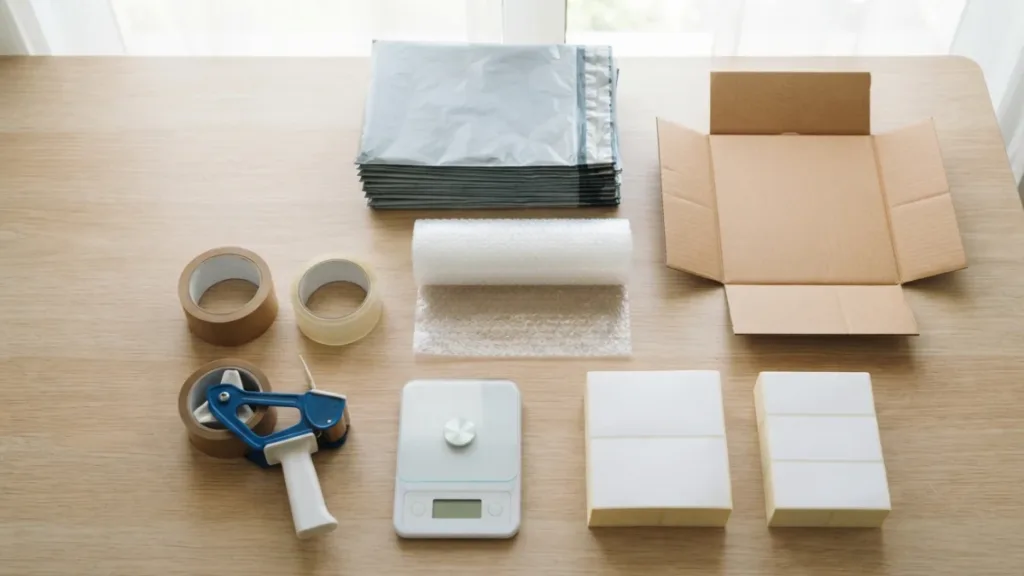
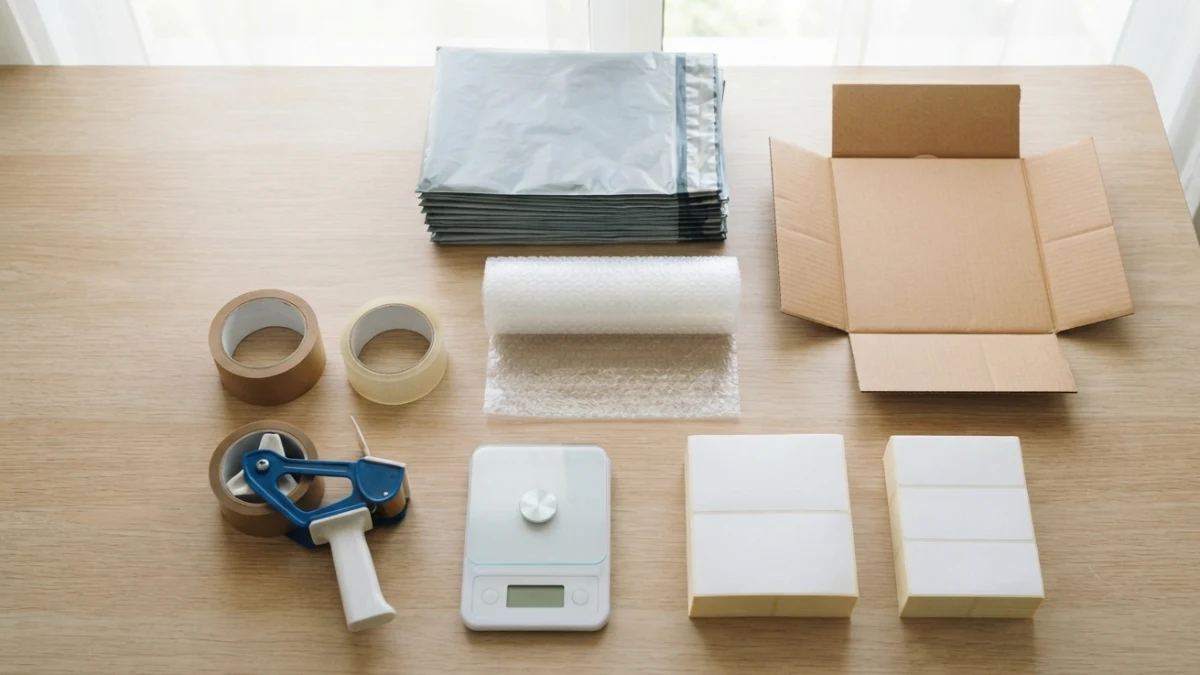
Most small online businesses need five things: mailing bags or boxes that fit their products, protective padding such as bubble wrap for fragile items, strong packing tape (ideally with a dispenser), address labels, and a set of scales to work out postage. Start with your two or three most-used sizes, buy those in bulk to cut the cost per order, and add branded touches once orders grow.
- What packaging essentials do you need?
- Should you use mailing bags or boxes?
- What protective packaging do you need?
- How should you seal and label parcels?
- How do you make packaging look professional on a budget?
- How do you keep packaging costs down?
- What packaging rules apply to small businesses?
- Small business packaging checklist
- Small business packaging FAQs
You’ve set up your Etsy shop, your Vinted account or your own website, and the first orders are coming in. Now you need to get them to customers safely, looking good, without spending a fortune on packaging and postage.
This guide covers the packaging every small UK online business needs, how to choose between bags and boxes, how to keep costs down as you grow, and the packaging rules that do (and don’t) apply to small sellers.
What packaging essentials does a small online business need?
| Item | Why you need it | Tip |
|---|---|---|
| Mailing bags | Light, waterproof packaging for clothes and soft goods | Stock your two or three most-used sizes |
| Cardboard boxes | Protection for fragile, heavy or rigid items | Double-walled for anything breakable |
| Padding and void fill | Stops items moving and breaking | Bubble wrap, paper or packing peanuts |
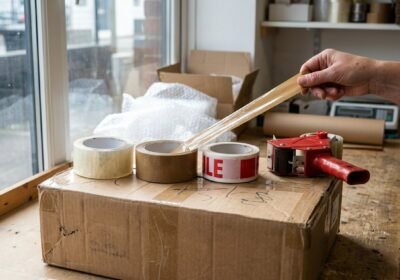
| Packing tape | Seals boxes securely | Use strong tape about 4 to 5cm wide |
| Tape dispenser | Makes sealing faster and neater | Worth it once you pack daily |
| Labels | Addresses, returns and postage | A thermal label printer saves time at volume |
| Scales | Weigh parcels for the right postage | Kitchen scales are fine to start |
Should a small business use mailing bags or boxes?
It depends on what you sell:
- Mailing bags suit clothes, textiles, soft toys and anything flexible. They’re light, flat, waterproof and usually cheaper to post. Our grey mailing bags come in 17 sizes.
- Boxes suit glass, ceramics, cosmetics, electronics, books and anything that could be crushed.
Many shops use both. Our guide to mailing bags vs boxes for UK sellers goes into the pros and cons.
Choosing bag sizes: measure your product folded or packed and pick a bag a few centimetres bigger in each direction, so the flap seals flat. As a rough guide, 10 x 14 inch bags suit T-shirts and leggings, and 12 x 16 inch bags suit jumpers and hoodies.
What protective packaging do you need?
- Bubble wrap for fragile items, wrapped individually.
- Void fill such as crumpled paper or packing peanuts, so nothing moves inside the box.
- Inner bags for items that could be marked by dust or moisture.
- Corner protection for prints and framed items.
The aim is simple: when you gently shake a packed box, nothing should move. Damaged items cost you a refund, the postage both ways and often a bad review, so good padding pays for itself.
How should you seal and label parcels?
- Seal boxes with strong brown or clear packing tape, covering every seam.
- Use fragile tape on breakable items as a warning to handlers.
- Put the label flat on the top or front, with no tape over the barcode.
- Add a return address so undeliverable parcels come back to you.
For more on tape, see which packaging tape to use.
How do you make packaging look professional on a budget?
You don’t need custom printed boxes to make a good impression. Simple touches work well:
- A branded sticker to seal tissue paper or the bag.
- A handwritten or printed thank-you card.
- Neat, consistent packaging: the same bag colour, tidy taping and straight labels.
- Care instructions or a discount code for the next order.
Custom printed packaging can be worth it later, but it usually comes with higher costs and large minimum orders.
How do you keep packaging costs down?
- Buy your main sizes in bulk. Price per item drops sharply as pack size grows. For example, at the time of writing our 10 x 14 inch grey mailing bags cost about 6.7p each in a pack of 100 and about 5.3p each in a pack of 1,000.
- Right-size your packaging. Smaller, lighter parcels stay in cheaper postage bands. Royal Mail’s small parcel limit, for example, is 45 x 35 x 16cm and 2kg.
- Combine orders. Order bags, tape and other supplies together to reach free delivery thresholds.
- Avoid overpacking. Too much filler or tape adds cost without adding protection.
- Track what you use. Reorder before you run out, so you’re not paying high street prices in an emergency.
What packaging rules apply to small businesses?
Two sets of UK rules often worry new sellers. In most cases, neither applies directly to small online shops:
- Plastic Packaging Tax applies to businesses that manufacture or import 10 tonnes or more of plastic packaging in 12 months, on packaging with less than 30% recycled plastic. Most small sellers buying from UK suppliers aren’t liable, but the tax can be reflected in what suppliers charge.
- Extended Producer Responsibility (EPR) for packaging only applies if your annual turnover is £1 million or more and you supply more than 25 tonnes of packaging a year. Below those thresholds, GOV.UK guidance says there’s no obligation.
It’s still worth choosing packaging with recycled content where you can, using the right size, and telling customers how to recycle it. Many customers notice.
This is general information, not legal or tax advice. Check GOV.UK if your business is growing towards these thresholds.
Small business packaging checklist
- Measure your products and choose two or three bag or box sizes.
- Order those sizes in a bulk pack.
- Get strong packing tape and a dispenser.
- Add bubble wrap or void fill if you sell anything fragile.
- Set up labels and a set of scales.
- Check carrier size and weight limits for your usual parcels.
- Add a simple branded touch such as a sticker or thank-you card.
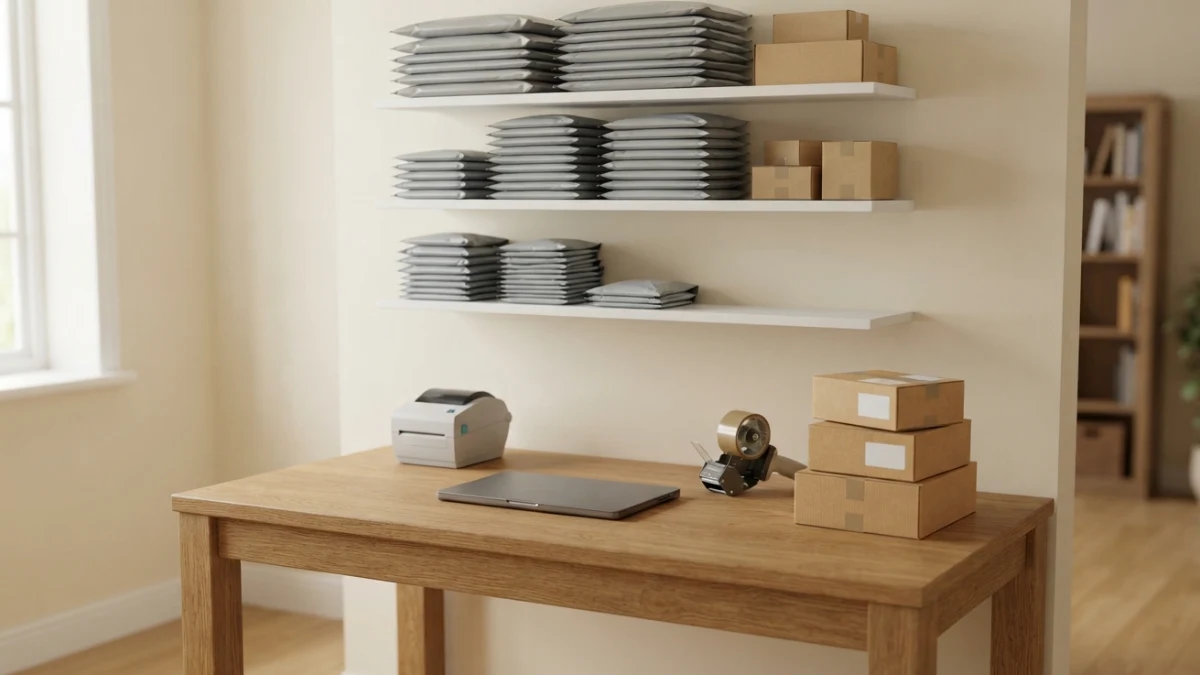
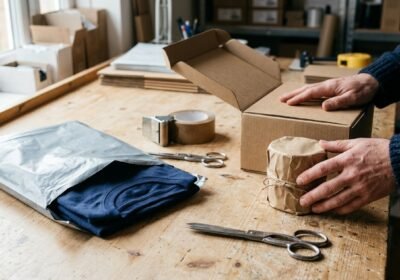
- Set up a tidy packing station so everything is within reach.
Packaging supplies for your online shop
Grey mailing bags in 17 sizes, brown, clear and fragile packing tape, and pallet wrap, in packs that grow with your business. Sent from Bradford: order before 2 PM for same-day dispatch, with free UK delivery over £50.
Small business packaging FAQs
What packaging do I need to start an online shop?
Most new sellers need mailing bags or boxes that fit their products, padding such as bubble wrap for anything fragile, strong packing tape, address labels and a set of scales. Add branded touches later once orders pick up.
Should a small business use mailing bags or boxes?
Use mailing bags for clothes and soft items, as they’re light, waterproof and cheap to post. Use boxes for fragile, heavy or rigid products.
How can a small business save money on packaging?
Buy your most-used sizes in bulk, choose packaging that fits snugly so parcels stay in cheaper postage bands, and combine orders to reach free delivery thresholds.
Do small businesses have to pay the Plastic Packaging Tax?
Only businesses that manufacture or import 10 tonnes or more of plastic packaging in 12 months need to register and pay it. Most small sellers buying packaging from a UK supplier don’t, although the tax can affect what suppliers charge.
Does EPR for packaging apply to small businesses?
Usually not. Under the UK rules, you only have obligations if your annual turnover is £1 million or more and you supply more than 25 tonnes of packaging a year.
Is custom printed packaging worth it for a small business?
It can be once you’re sending lots of orders, but it costs more and usually comes with large minimum orders. Plain packaging with a branded sticker or thank-you card is a cheaper way to start.
How do I choose the right mailing bag size?
Measure your product folded or packed, then choose a bag a few centimetres bigger in width and length so the flap closes flat. Most clothing sellers only need two or three sizes.
What is the most eco-friendly packaging for a small business?
The right-sized packaging you can reuse or recycle. Avoid oversized boxes and excess filler, choose recycled content where possible, and tell customers how to recycle what you send.
No Comments